Clean Room Laboratory: Top Benefits & Secrets 2025
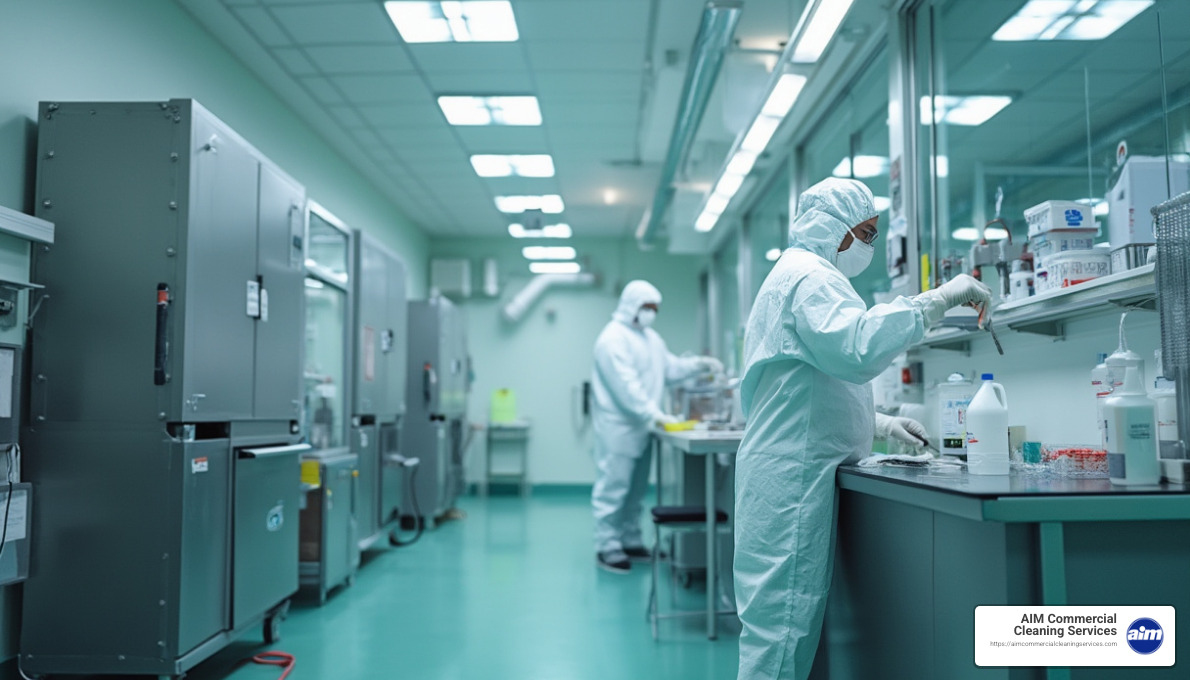
Clean room laboratory environments are crucial for industries that require the utmost precision and control. In these spaces, maintaining a high standard of cleanliness isn’t just a best practice—it’s essential. Clean room laboratories are designed to minimize pollutants such as dust, airborne microbes, and chemical vapors, ensuring that delicate processes occur in a contamination-controlled environment.
- Purpose: Keeps workspaces free from contaminants.
- Function: Provides a sterile area for sensitive tasks.
- Benefits: Improves precision and reliability in various industries.
A clean room laboratory serves as a sanctuary for innovation and accuracy, especially in fields like pharmaceuticals, biotechnology, and microelectronics. Whether it’s the development of new drugs or the production of semiconductor devices, these environments offer unparalleled control over variables that could otherwise compromise the work’s integrity. A clean room isn’t just a space—it’s a commitment to quality.

Stay tuned as we explore how clean room laboratories maintain such exacting standards amid changing technological demands.
Understanding Clean Room Laboratories
Key Features of Clean Room Laboratories
Clean room laboratories are at the forefront of innovation, providing a controlled environment where precision is paramount. These specialized spaces adhere to strict ISO standards to ensure optimal air quality and cleanliness. At the heart of these standards is the classification system, indicating the number of particles per cubic meter allowed in the air. For instance, an ISO 5 clean room permits no more than 3,520 particles per cubic meter, ensuring a pristine environment.
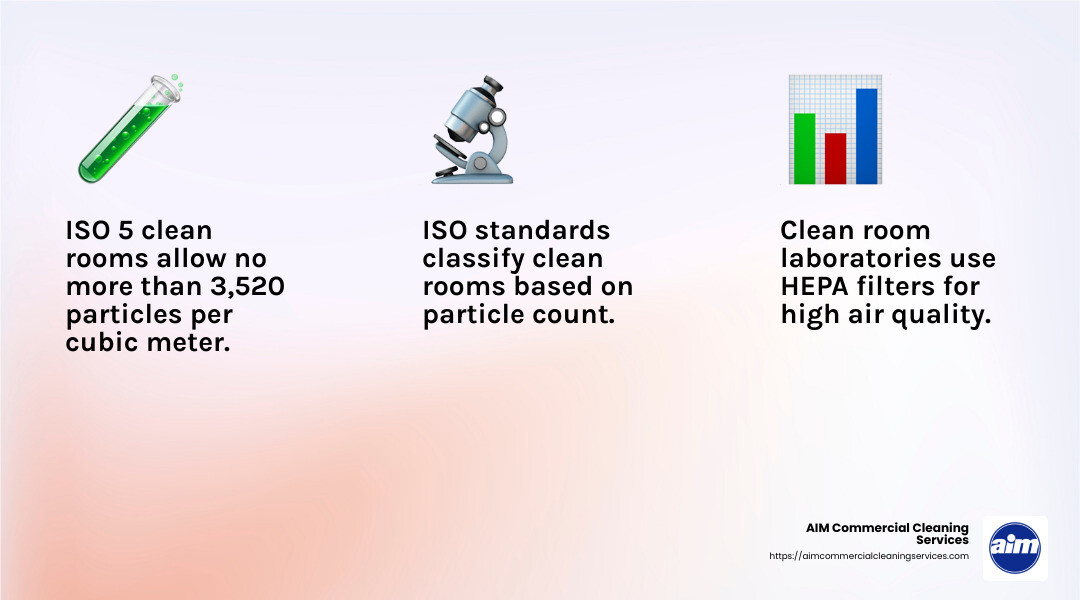
One of the key features of a clean room laboratory is the use of HEPA filters. These High-Efficiency Particulate Air filters are essential for maintaining low particle counts. They capture 99.97% of particles that are 0.3 microns or larger, ensuring that the air remains free from contaminants. This controlled environment is crucial for experiments and manufacturing processes that cannot tolerate impurities.
In addition to air filtration, clean rooms employ advanced systems to regulate temperature, humidity, and airflow. These factors contribute to a stable environment that minimizes the impact of external variables. By maintaining these conditions, clean rooms ensure that sensitive instruments and processes operate at peak performance.
Benefits of Clean Room Laboratories
The benefits of conducting research and production in a clean room laboratory are numerous. One of the most significant advantages is reduced contamination. By keeping airborne particles at bay, clean rooms protect delicate processes from potential disruptions. This is especially important in industries like pharmaceuticals and microelectronics, where even the smallest contaminant can lead to costly errors.
Another key benefit is improved reproducibility. By providing a consistent environment, clean rooms allow researchers to replicate experiments with a high degree of accuracy. This consistency is vital for scientific advancement, as it enables researchers to build on previous work with confidence.
Moreover, clean rooms improve precision and accuracy. In fields like nanotechnology and semiconductor manufacturing, where minute details matter, the controlled environment of a clean room ensures that processes are carried out with exacting precision. This level of control not only improves the quality of the output but also maximizes efficiency and reduces waste.
In conclusion, clean room laboratories are indispensable for industries that demand the highest levels of precision and control. By adhering to strict standards and employing advanced technologies, these spaces provide an environment where innovation can thrive without the threat of contamination.
Next, we’ll dive into the requirements and standards that guide the setup and operation of clean room laboratories.
Setting Up a Clean Room Laboratory
Requirements and Standards
Setting up a clean room laboratory involves adhering to rigorous standards to ensure a contamination-free environment. One of the primary guidelines is ISO 14644, which specifies the air quality levels required for different clean room classifications. This standard helps determine the number of air changes, filtration systems, and other necessary features to maintain cleanliness.
Air monitoring is crucial in clean room laboratories. Advanced systems continuously test for contaminant particles to prevent buildup. As research indicates, a person in a clean room can add up to 100,000 particles per minute just by standing still. This makes effective air monitoring and filtration systems, like HEPA filters, indispensable.
Written procedures are another vital aspect. These documents detail contamination prevention strategies and must be submitted to regulatory bodies to demonstrate compliance. This ensures that both the product and the process meet the necessary safety standards.
Modular Cleanroom Solutions
One innovative approach to clean room setup is modular construction. This method offers several advantages, including quick assembly and versatility. Modular cleanrooms can be easily modified or expanded as needs change, making them a cost-effective solution.
The versatility of modular cleanrooms allows them to be custom to specific industry requirements, whether in pharmaceuticals, biotechnology, or semiconductor manufacturing. They can be installed around existing machinery, minimizing downtime and disruption.
Moreover, modular cleanrooms support regulatory compliance by incorporating features like controlled airflow and precise temperature and humidity regulation. These elements are crucial for maintaining the standards set by ISO 14644 and other regulatory bodies.
In summary, setting up a clean room laboratory requires careful consideration of standards and innovative solutions like modular construction. These elements ensure that the lab remains a controlled environment, free from contamination, and adaptable to future needs.
Next, we’ll explore the diverse applications of clean room laboratories across various industries.
Applications of Clean Room Laboratories
Industry-Specific Uses
Pharmaceuticals: In the pharmaceutical industry, clean room laboratories are essential for ensuring that drugs are manufactured in a contamination-free environment. This is crucial for both the safety and efficacy of the products. For instance, during the sterile filling of pharmaceutical drugs, an ISO 5 clean room classification is typically required to maintain high-grade cleanliness. This ensures that the drugs remain free from any harmful contaminants that could compromise their quality.
Biotechnology: Biotechnology relies heavily on clean room environments to conduct experiments involving sensitive biological materials. Clean rooms help prevent contamination from airborne particles, which is vital when working with DNA, RNA, and other biological samples. The ability to control environmental factors such as temperature and humidity further improves the precision of biotechnological research.
Semiconductor Manufacturing: The production of semiconductors demands an ultra-clean environment to prevent defects caused by microscopic particles. Clean rooms in this sector often operate at ISO levels 5 to 7, depending on the complexity of the semiconductor being manufactured. The controlled conditions ensure that the delicate processes involved in creating semiconductor chips are not disrupted by external contaminants.
Nanotechnology: When working on the nanoscale, even the tiniest particle can cause significant issues. Clean room laboratories are indispensable for nanotechnology research and production, where they help maintain an environment free from dust and other particles. This precision is crucial for developing nanoscale devices and materials, which can be used in a variety of applications, from medical devices to advanced electronics.
Pathology Labs: In pathology labs, clean rooms are used to prevent contamination of biological samples. This is particularly important when diagnosing diseases, as any contamination can lead to inaccurate results. Clean rooms also protect lab personnel from exposure to potentially hazardous biological materials, ensuring a safe working environment.
Microelectronics: The microelectronics industry requires clean rooms to produce components like microchips and sensors. These components are highly sensitive to contamination, which can affect their performance and reliability. By maintaining a controlled environment, clean rooms ensure that microelectronic products meet stringent quality standards.
These diverse applications demonstrate the critical role that clean room laboratories play across various industries. By providing a controlled and sterile environment, they enable precision, safety, and compliance with industry standards, paving the way for innovation and advancement in technology and science.
In the next section, we’ll address frequently asked questions about clean room laboratories, shedding light on their unique features and requirements.
Frequently Asked Questions about Clean Room Laboratories
What is a clean room in a laboratory?
A clean room laboratory is a highly controlled environment designed to minimize the presence of airborne particulate matter. These spaces are crucial for scientific research and industrial production, especially when dealing with delicate nanoscale processes. In a clean room, the air is carefully filtered using HEPA filters to remove dust, microbes, and other contaminants. This ensures that experiments and manufacturing processes can proceed without interference from unwanted particles.
What are the requirements for a clean room?
Setting up a clean room involves meeting specific standards and requirements to maintain its pristine conditions. Key components include:
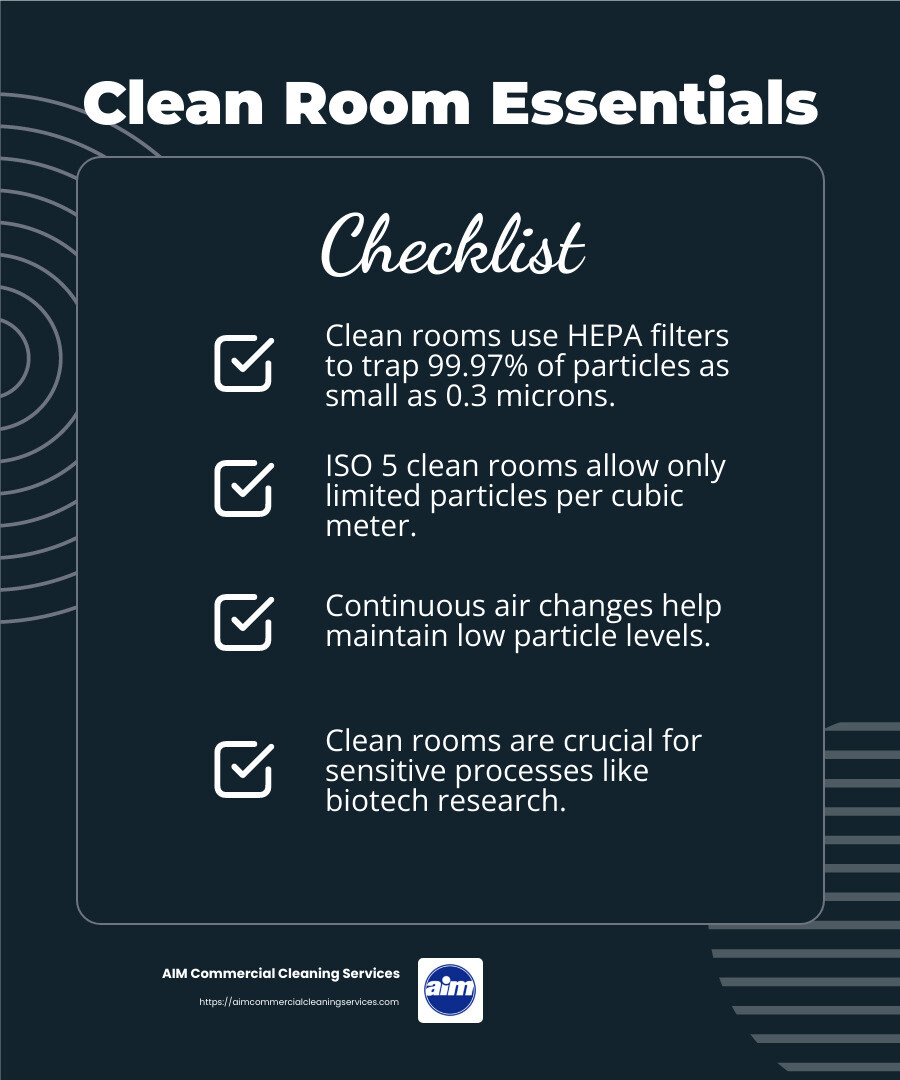
- Particle Thresholds: Clean rooms are classified based on the number of particles allowed per cubic meter of air. For example, an ISO 5 clean room permits only a limited number of particles, making it suitable for tasks like sterile drug filling.
- HEPA Filters: High-Efficiency Particulate Air (HEPA) filters are essential for trapping tiny particles and ensuring clean air circulation within the room. These filters can capture at least 99.97% of airborne particles as small as 0.3 microns.
- Air Changes: The air in a clean room is continuously circulated and replaced to maintain low particle levels. The number of air changes per hour can vary depending on the clean room’s classification and the specific requirements of the processes being conducted.
What is the difference between a lab and a clean room?
The primary difference between a laboratory and a clean room lies in their focus and function. Laboratories are general-purpose spaces for conducting scientific research and experiments. They are equipped with various tools and safety equipment but do not typically have stringent air quality controls.
Clean rooms, however, are specialized environments where controlling airborne particulate matter is paramount. They use advanced filtration and ventilation systems to maintain cleanliness, making them suitable for sensitive processes like semiconductor manufacturing and biotechnology research.
It’s also possible for a facility to be dual-purpose, serving both as a laboratory and a clean room. This setup is often seen in industries like pharmaceuticals, where both experimentation and contamination control are vital.
In the next section, we’ll explore modular cleanroom solutions, which offer quick assembly and versatility for various applications.
Conclusion
In today’s scientific and industrial world, maintaining a spotless environment is non-negotiable, and that’s where we come in. At AIM Commercial Cleaning Services, we specialize in providing comprehensive solutions custom to the unique needs of clean room laboratories. Our commitment to excellence ensures that your facility remains a pristine environment, ready for groundbreaking research and production.
Why Choose AIM Commercial Cleaning Services?
Client Satisfaction is at the heart of everything we do. We understand that every laboratory has its own challenges and requirements. That’s why we customize our cleaning services to meet your specific needs, ensuring that every corner of your clean room laboratory meets the highest standards of cleanliness and compliance.
Our team is trained in the latest cleaning techniques and equipped with state-of-the-art tools to provide exceptional service. Whether it’s regular maintenance or specialized cleaning for high-tech environments, we have the expertise to ensure your laboratory stays in top condition.
Comprehensive Solutions are what set us apart. From air quality control to particle count management, our services cover every aspect of clean room maintenance. We use advanced techniques like electrostatic spraying and HEPA filter vacuums to ensure your clean room is free from contaminants.
By choosing AIM Commercial Cleaning Services, you’re investing in a cleaner, safer, and more efficient environment for your research and production needs. Let us handle the cleaning, so you can focus on what you do best—innovating and finding.
For more information on how we can improve your clean room laboratory, visit our Laboratory Cleaning Services page.
In conclusion, maintaining a clean room laboratory is no easy task, but with AIM Commercial Cleaning Services, you can rest assured that your facility is in capable hands. Our dedication to client satisfaction and comprehensive solutions makes us the ideal partner for your laboratory cleaning needs.