
Bank Cleaning Contracts: 5 Proven Tips for Success
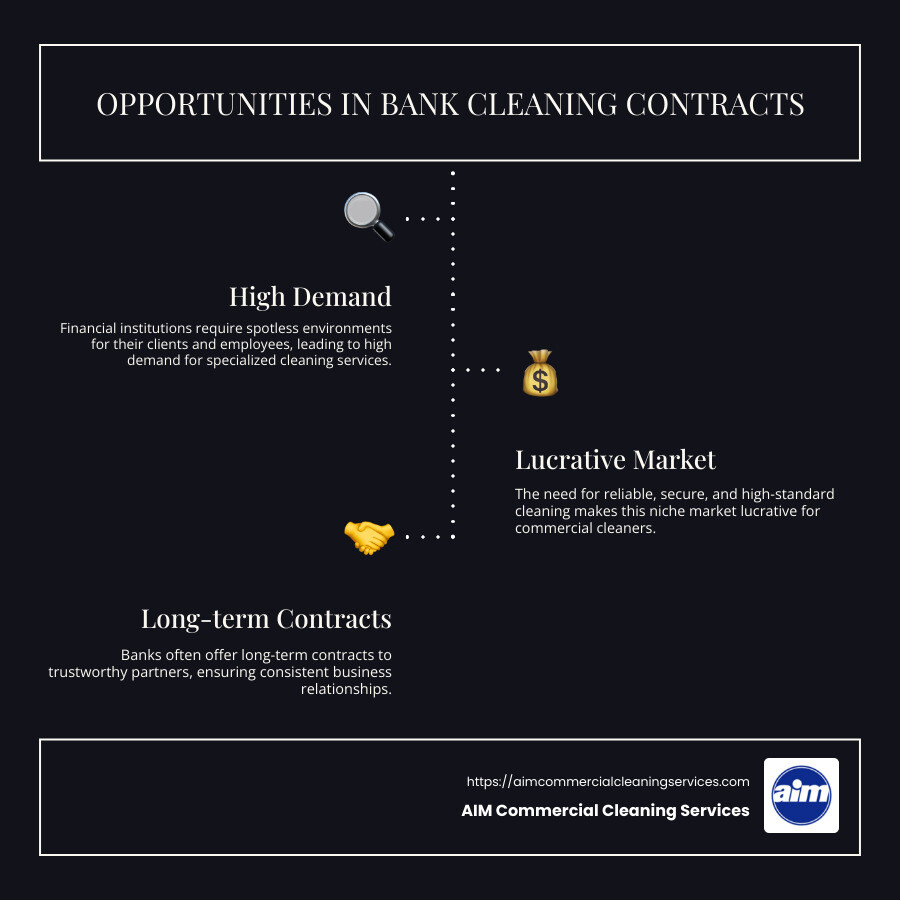
Bank cleaning contracts represent a significant opportunity for commercial cleaning businesses. In a niche market where cleanliness is directly tied to trust and reputation, these contracts can be immensely lucrative. Financial institutions require spotless environments to ensure the safety and comfort of their clients and employees.
- High demand for specialized cleaning.
- Lucrative opportunities in a niche market.
- Importance of security and trust.
The bank cleaning industry demands a specific skill set beyond typical janitorial services. With stringent security protocols and specialized cleaning needs, banks seek partners who can guarantee reliability, security, and high standards. This opens the door to potential long-term contracts that can solidify your business’s position in this competitive field.
Approaching this niche requires an understanding of each bank’s unique requirements, a commitment to confidentiality, and a comprehensive cleaning strategy custom to their needs. By focusing on these aspects, you position your business to not just meet but exceed expectations.
Understanding Bank Cleaning Contracts
When it comes to bank cleaning contracts, there are several key elements that set them apart from standard commercial cleaning agreements. Understanding these elements is crucial for any cleaning service looking to secure and maintain contracts with financial institutions.
Security Regulations
Banks operate under strict security regulations. These regulations dictate not only who can access the bank premises but also when and how cleaning activities can be conducted. Cleaning teams must often work outside of regular banking hours to minimize disruptions and comply with security protocols. This means that cleaning schedules need to be flexible and carefully planned.
Additionally, cleaning staff may be restricted from entering certain areas, such as vaults or rooms containing sensitive information. It’s important to clearly define these restricted zones in your contract to avoid any misunderstandings.
Special Cleaning Products
Banks have unique cleaning needs that require specialized products. For instance, metallic vault doors and secure area walls need specific cleaning agents to maintain their integrity without causing damage. It’s essential to identify these needs during the initial assessment phase and ensure that your cleaning supplies are suitable for the job.
By using the right products, you not only protect the bank’s assets but also demonstrate your expertise and attention to detail, which can help build trust with your clients.
Criminal Background Checks
Security is a top priority for banks, making criminal background checks a non-negotiable part of the hiring process for cleaning staff.
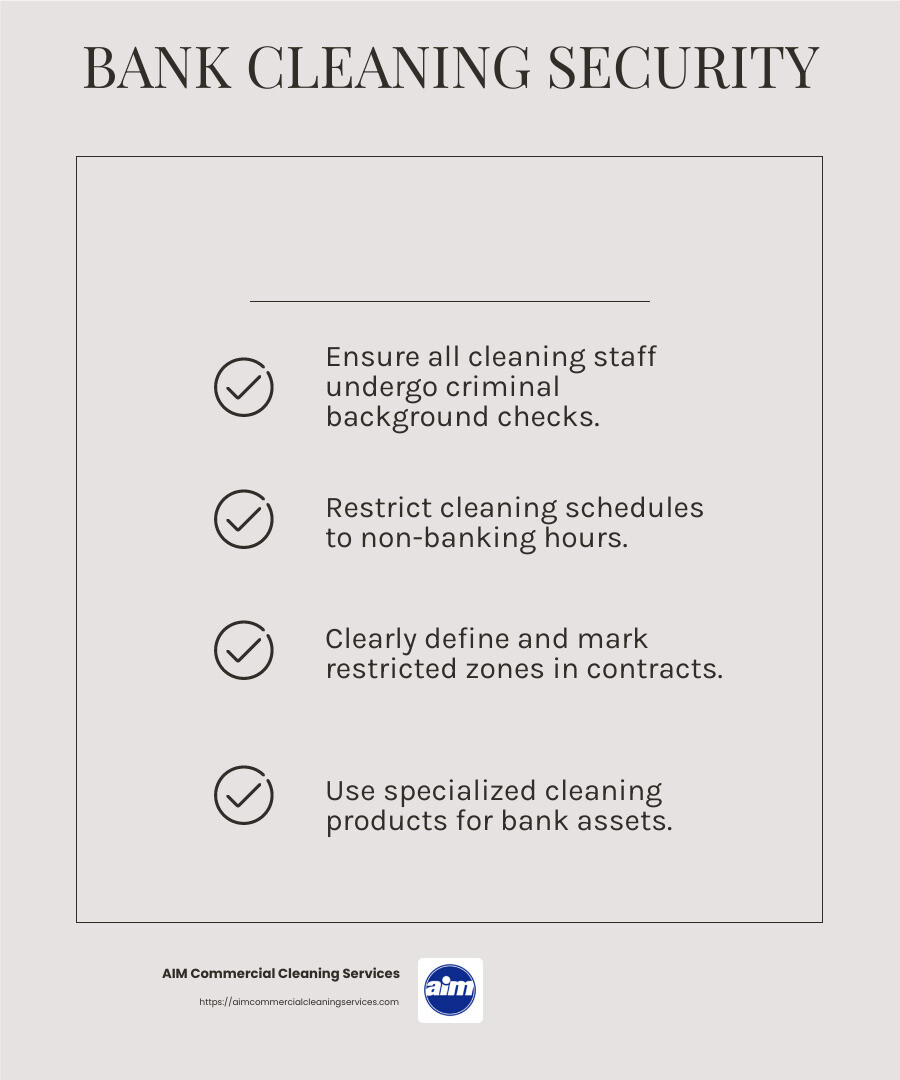
All cleaning personnel must undergo thorough background checks to ensure they have no criminal history that could pose a risk to the bank’s security. It’s important to communicate this requirement to your team and ensure that all staff members consent to these checks.
Failure to comply with this requirement can jeopardize your chances of securing a contract, as banks prioritize their clients’ safety and confidentiality above all else.
Understanding and addressing these critical aspects of bank cleaning contracts can position your cleaning service as a trusted partner for banks. By meeting the industry’s high standards for security and specialized cleaning needs, you can open up lucrative opportunities in this niche market.
Steps to Secure Bank Cleaning Contracts
Securing bank cleaning contracts can be a game-changer for your cleaning business. Here’s a step-by-step guide to help you steer this lucrative niche.
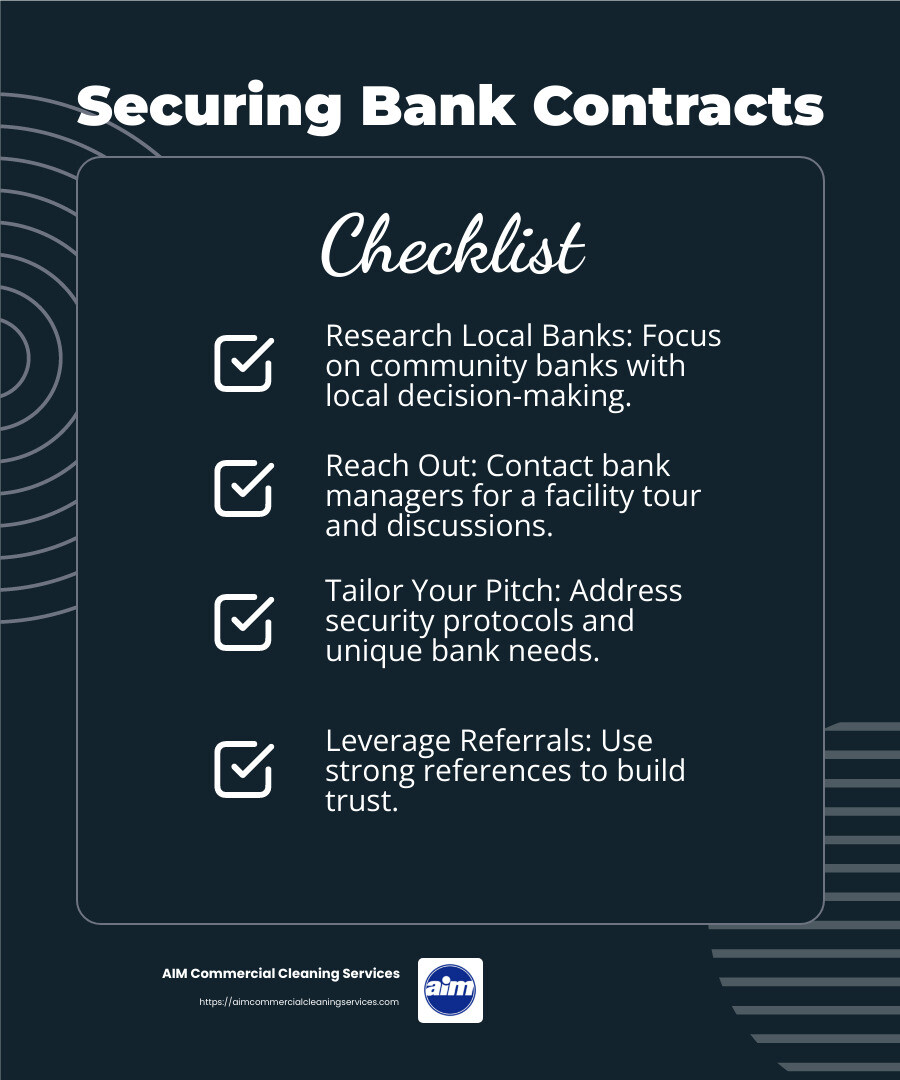
1. Research Local Banks
Start by identifying community banks in your area. Unlike major banks, these smaller institutions often make decisions at a local level, making them easier to approach. Focus on those banks that operate solely within your local market. This local focus can give you a competitive edge since many banks prefer vendors who can service multiple locations.
2. Canvassing: Reaching Out to Bank Managers
Once you’ve identified potential bank clients, the next step is to contact the bank’s property or site manager. This initial contact is crucial. It sets the tone for your relationship with the bank. Politely inquire if they are considering new cleaning contractors. If they express interest, request a tour of the bank’s facilities. This will help you understand the specific areas you’ll be responsible for and any restrictions, such as areas you won’t be allowed to clean.
3. Crafting an Industry-Specific Pitch
Tailor your pitch to address the unique needs of banks. Highlight your knowledge of security protocols and specialized cleaning requirements. Mention any previous experience with cleaning sensitive environments, as this can reassure the bank of your capability to handle their needs. Be sure to include details about your team’s ability to work within restricted hours, as banks often have strict time frames for when cleaning can occur.
4. Leverage Referrals
Referrals can be a powerful tool in securing bank cleaning contracts. Banks are highly selective, and a strong referral can make a significant difference. If you have experience working with other banks or institutions with similar security needs, request a referral from them. Even if you haven’t worked with banks before, any client handling sensitive material can be a good reference. Make sure to have these referrals ready when you approach the bank manager.
By following these steps, you’ll be well on your way to securing valuable bank cleaning contracts. The key is to demonstrate your understanding of the banking industry’s specific needs and to build trust through personalized service and reliable referrals.
Key Requirements for Bank Cleaning Contracts
When it comes to securing bank cleaning contracts, understanding the key requirements is crucial. Banks have stringent criteria to ensure their operations remain secure and compliant. Here’s a breakdown of the essential requirements.
FDIC Guidelines
The FDIC emphasizes the importance of managing third-party vendors to mitigate risks. Banks must ensure that cleaning contractors have a solid reputation, relevant experience, and a good track record. As a cleaning service provider, you need to demonstrate your ability to meet these standards. Familiarize yourself with the FDIC’s risk management guide, which highlights the importance of regular audits and oversight.
Non-Disclosure Agreement (NDA)
Confidentiality is a top priority for banks. Expect to sign a non-disclosure agreement before starting any cleaning contract. An NDA protects sensitive information you might come across while working in a bank. It ensures that any data, whether seen or overheard, is kept strictly confidential. This agreement is a standard practice to reassure banks that their information is safe with you.
Background Checks
Banks require thorough background checks for all employees who will be on their premises. This is to ensure the security and trustworthiness of everyone who has access to sensitive areas. Be ready to provide detailed employment history and personal information for your team. Some banks may require validation of employment history for up to seven years. This step is non-negotiable due to the sensitive nature of banking environments.
Insurance Coverage
Having comprehensive insurance coverage is non-negotiable. Banks will expect proof of insurance to cover any potential liabilities. This includes general liability insurance and workers’ compensation. Insurance not only protects your business but also reassures banks that you are prepared to handle any unforeseen incidents. Make sure your coverage meets or exceeds the bank’s requirements to avoid any contract delays.
Understanding these requirements is the first step in securing a bank cleaning contract. By meeting these standards, you position your business as a reliable and professional choice for banks looking to maintain a pristine and secure environment.
Next, we’ll explore some practical tips for winning these lucrative contracts.
Tips for Winning Bank Cleaning Contracts
Securing bank cleaning contracts can be highly rewarding, but it requires a strategic approach. Here are some practical tips to increase your chances of success:
Background Checks
Conducting background checks on your employees is essential. Banks prioritize security and need assurance that everyone entering their premises is trustworthy. Make it a standard practice to run these checks when hiring new staff. This proactive step demonstrates your commitment to safety and can set you apart from competitors.
Maintain Business Records
Keep your business records well-organized and easily accessible. This includes certifications, tax records, and insurance documents. Banks may request these records to verify your credibility and compliance with industry standards. Having this information ready can streamline the negotiation process and build trust with potential clients.
Supplier Forms
Be prepared to fill out any required supplier forms. Many banks have formal processes for onboarding new vendors. Completing these forms accurately and promptly shows your professionalism and willingness to comply with their procedures. It’s a simple yet effective way to make a positive impression.
Professional Appearance
Ensure your team presents a professional appearance at all times. Provide uniforms and name tags to improve your company’s image. A polished look not only boosts confidence in your services but also aligns with the bank’s expectations of professionalism. First impressions matter, especially in a highly regulated industry like banking.
By implementing these tips, you’ll be better positioned to secure lucrative bank cleaning contracts. Focus on building trust, demonstrating reliability, and showcasing your professionalism to stand out in this competitive market.
Frequently Asked Questions about Bank Cleaning Contracts
How do I write a contract for cleaning services?
Creating a clear and detailed contract is crucial for setting expectations and maintaining a positive relationship with your clients. Here’s what to include:
- Contact Information: Ensure that both your company’s and the client’s contact details are clearly listed. This includes names, addresses, phone numbers, and email addresses.
- Detailed List of Services: Specify exactly what cleaning tasks you will perform. This could range from floor cleaning and restroom sanitation to special tasks like disinfecting high-touch areas. Be as precise as possible to avoid misunderstandings.
- Payment Details: Outline the payment terms, including the cost of services, payment methods, and due dates. This helps manage cash flow and ensures timely payments.
How to find an office cleaning contract?
Securing office cleaning contracts requires a proactive approach. Here are some effective strategies:
- Website: Your website should be a hub of information. Optimize it for search engines, and make sure it clearly explains the services you offer. Include testimonials and a portfolio of past work.
- Local Organizations: Join local business groups or chambers of commerce. Networking with other businesses can lead to referrals and new opportunities.
- Referral Program: Encourage your current clients to refer you to other businesses. Offer incentives like discounts or free services for successful referrals. Word-of-mouth is a powerful tool in the cleaning industry.
How to negotiate a commercial cleaning contract?
Negotiating a contract can seem daunting, but with careful preparation, you can ensure a fair and beneficial agreement:
- Assess Needs: Before negotiations begin, thoroughly assess the client’s needs. Understand the scope of work and any specific requirements they may have.
- Prepare Proposal: Draft a proposal that outlines your services, pricing, and any special terms. Be ready to explain how your services meet the client’s needs.
- Review Contract: Once a draft contract is prepared, review it carefully. Ensure that all agreed-upon terms are included and that there are no ambiguities. Don’t hesitate to ask questions or request changes if something isn’t clear.
By focusing on these elements, you can create effective contracts, find new opportunities, and negotiate successfully to secure office cleaning contracts. This methodical approach will help you build lasting relationships and expand your business in the competitive cleaning industry.
Conclusion
At AIM Commercial Cleaning Services, we pride ourselves on delivering exceptional service and ensuring client satisfaction in every job we undertake. Our focus on quality and attention to detail sets us apart in the competitive world of bank cleaning contracts.
We understand that maintaining a clean and professional environment is crucial for banks, not just for appearances, but also for health, safety, and security. Our custom cleaning solutions are designed to meet the unique needs of financial institutions, ensuring compliance with industry standards and protecting sensitive information.
Client satisfaction is at the heart of what we do. We listen to our clients, understand their specific requirements, and customize our services accordingly. Our open communication and commitment to excellence have helped us build long-lasting relationships with our clients, who trust us to keep their spaces pristine.
If you’re looking for a reliable partner to handle your bank cleaning needs, look no further. Find how AIM Commercial Cleaning Services can help your bank maintain a pristine and secure environment.
We invite you to experience our exceptional service and see why so many financial institutions trust us with their cleaning needs. Let’s work together to create a cleaner, healthier, and more inviting environment for your customers and employees.