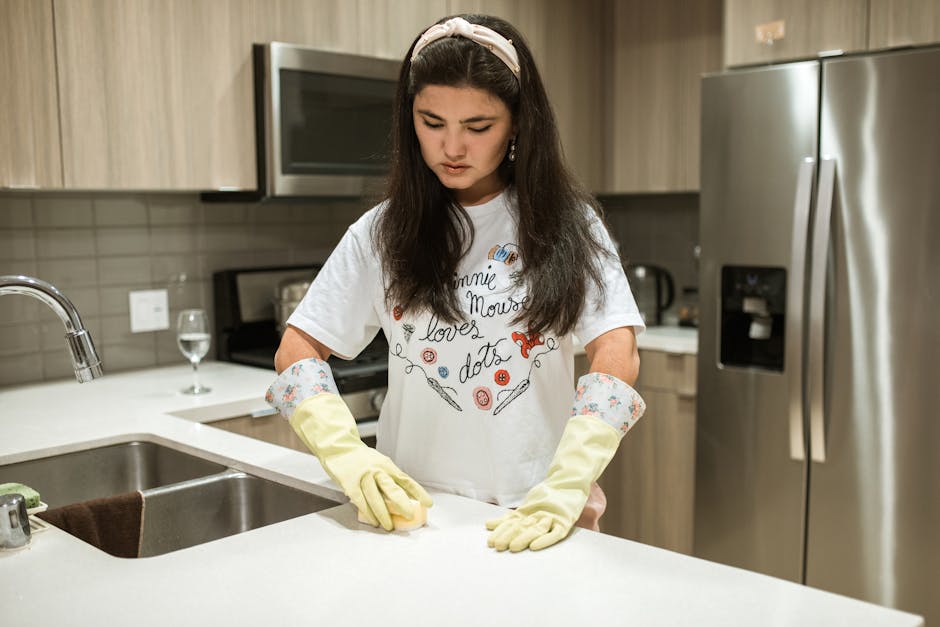
Top 5 Kitchen Restaurant Cleaning Tips for 2024 Success
Understanding the Essentials of Kitchen Restaurant Cleaning
If you’re in the hospitality industry in Eastern Massachusetts and Southern New Hampshire, maintaining a spotless kitchen isn’t just a necessity—it’s your reputation on the line. Effective kitchen restaurant cleaning practices impact health and safety, enhancing your establishment’s standing with both inspectors and customers. Dirty or disorganized kitchens can attract pests, lead to foodborne illnesses, and even cause slips and falls that jeopardize both staff and guest safety.
Cleanliness also directly impacts your business reputation. Customers today are quick to share their experiences on social media and review platforms; a spotless, well-organized kitchen translates into stellar reviews that can boost your business significantly. Furthermore, a clean environment contributes to higher employee morale and efficiency, directly impacting service quality and customer satisfaction.
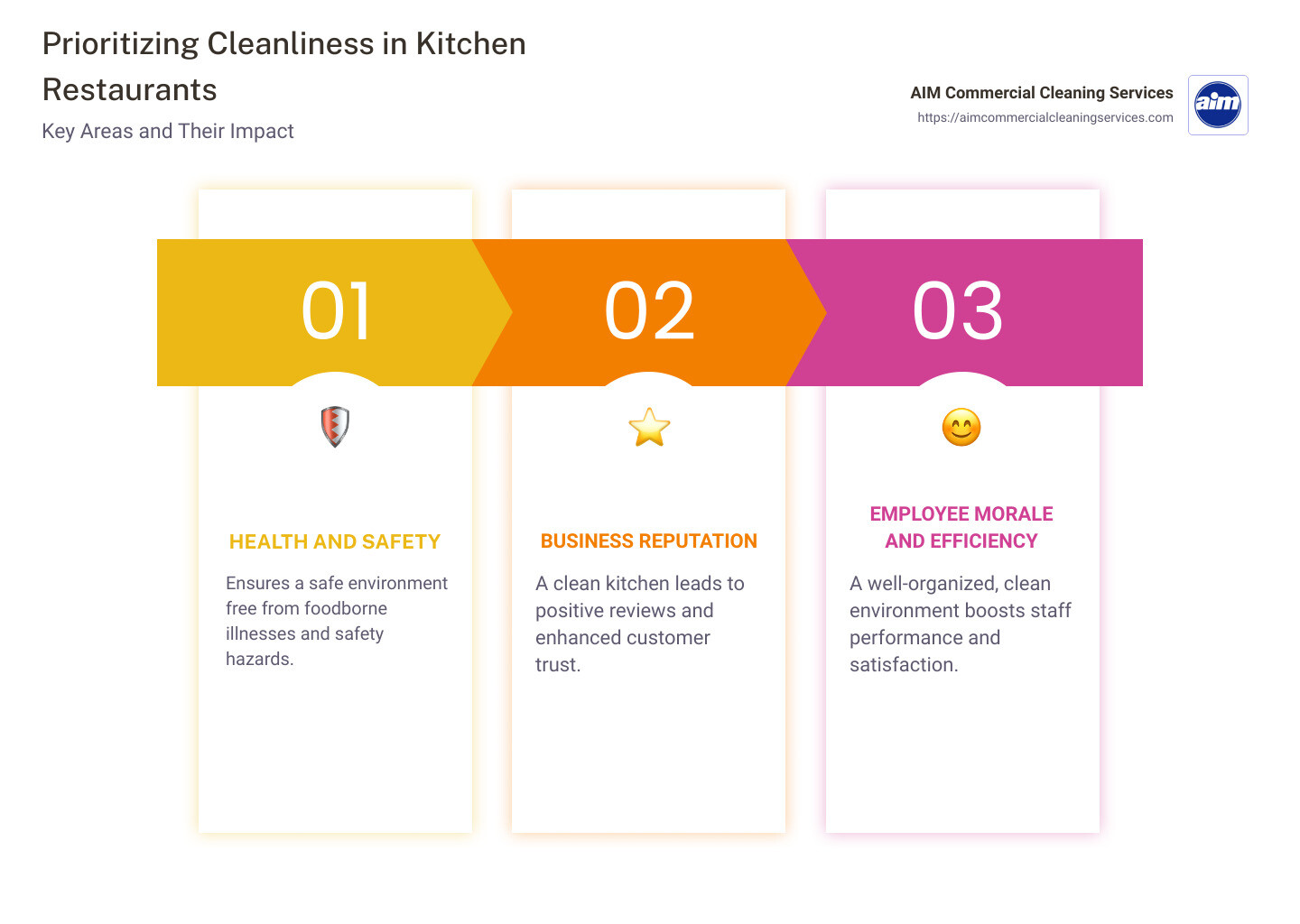
In short, prioritizing cleanliness in your restaurant kitchen safeguards your staff and guests, meets regulatory standards, boosts your reputation, and contributes to the overall success of your business. For facility managers and business owners who value thorough, reliable, and high-quality cleaning services, understanding and implementing proper kitchen cleanliness is paramount.
Essential Daily Kitchen Restaurant Cleaning Tasks
Daily cleaning is crucial in maintaining a safe and inviting kitchen environment. Here’s a breakdown of essential tasks that should be part of your routine to ensure a spotless kitchen.
Surface Cleaning
Every day, your kitchen surfaces encounter food, grease, and bacteria. It’s important to use disinfectants and surface cleaners to eliminate pathogens and maintain hygiene. Start by wiping down all counters and prep areas with a suitable disinfectant. Remember to let the disinfectant sit for the required time to effectively kill germs before wiping it down.
Appliance Wipe-Down
Kitchen appliances such as stoves, grills, and microwaves accumulate grease and food particles that can become a health hazard. Using a degreasing solution helps break down the grease, making it easier to wipe away. After degreasing, apply a stainless steel polish to surfaces to prevent corrosion and keep the appliances shining and resistant to smudges.
Floor Care
Floors in a busy kitchen can be a slip hazard if not properly maintained. Daily sweeping and mopping are essential. Use a good quality mop and floor cleaner designed for commercial kitchens to remove grease and food debris effectively. Ensure that the floor cleaning products you choose are non-slip to keep both staff and patrons safe.
Trash Management
Effective trash management prevents odors and pest infestations. Use sturdy garbage bags and separate recyclables from waste as part of your recycling protocols. It’s also important to clean and disinfect the bins daily to prevent bacteria and mold growth, which can contribute to unpleasant smells and health risks.
By integrating these essential tasks into your daily routine, your kitchen will not only look clean but also uphold the highest standards of hygiene and safety, reflecting positively on your business.
Weekly and Monthly Deep-Cleaning Strategies
Maintaining a spotless kitchen in a restaurant isn’t just about the daily wipe-downs and spot cleaning. To ensure the highest standards of cleanliness and safety, weekly and monthly deep-cleaning strategies are essential. These more intensive cleaning sessions help manage inventory, ensure the deep sanitation of appliances, and maintain the structural integrity of the kitchen space.
Inventory Management
Expired Items Disposal: Regularly check the freshness of all ingredients. Dispose of anything that is past its prime to prevent foodborne illnesses and maintain the quality of your dishes. This should be done at least weekly to keep your inventory fresh and safe.
Appliance Deep-Clean
- Oven Cleaning: Accumulated grease and food particles can make ovens less efficient and pose a fire risk. Weekly cleaning is recommended using a professional-grade oven cleaner to dissolve grime and maintain optimal performance.
- Fryer Maintenance: Fryers should be drained, cleaned, and refilled with fresh oil weekly to ensure the quality of fried foods and to prevent buildup that could become hazardous.
- Refrigerator Sanitization: Monthly, empty out the refrigerator and use a food-safe disinfectant to clean the interior surfaces. This prevents the growth of mold and bacteria and helps maintain a safe environment for food storage.
Structural Cleaning
- Vent Hood Cleaning: Grease accumulation in vent hoods can pose a significant fire risk. These should be cleaned monthly to remove grease and debris, ensuring they operate efficiently and safely.
- Drain Care: Ensure that all kitchen drains are checked and cleaned monthly to prevent clogs and unpleasant odors. Use a professional-grade drain cleaner and consider a manual check to remove any larger obstructions.
- Grease Trap Maintenance: Grease traps should be cleaned monthly to prevent fats, oils, and greases from entering the wastewater system, which can cause significant plumbing issues and potential health hazards.
By implementing these weekly and monthly deep-cleaning strategies, your restaurant will not only comply with health regulations but also enhance its reputation for cleanliness and safety. Regular deep cleaning is crucial for maintaining a hygienic, efficient, and safe kitchen environment, ultimately contributing to the overall success of your restaurant.
Kitchen Restaurant Cleaning: Special Focus Areas
High-Touch Areas
In kitchen restaurant cleaning, paying special attention to high-touch areas is crucial. These include door handles, light switches, and countertops. These surfaces are touched frequently by both staff and customers, making them hotspots for germs and bacteria.
- Door Handles: Wipe down with disinfectant multiple times throughout the day.
- Light Switches: Use a spray disinfectant to avoid moisture buildup.
- Countertops: Clean with a surface cleaner followed by a disinfectant.
Regular cleaning of these areas helps reduce the spread of bacteria and viruses, ensuring a safer environment for everyone.
Hard-to-Reach Spots
Areas that are often overlooked during routine cleaning are behind appliances and under sinks. These spots can accumulate grime and food particles, leading to pest infestations and unpleasant odors.
- Behind Appliances: Move equipment away from walls to sweep and mop thoroughly.
- Under Sinks: Regularly check for leaks and wipe the area with a strong disinfectant.
Ensuring these areas are clean not only maintains hygiene but also extends the longevity of your kitchen equipment.
Sanitization Techniques
Effective sanitization is key in maintaining a hygienic kitchen environment. Techniques include steam cleaning, using chemical-free options, and understanding proper dilution practices.
- Steam Cleaning: This method uses high temperatures to sanitize surfaces, killing 99.99% of bacteria. It’s effective for grout lines, tile floors, and other non-porous surfaces.
- Chemical-Free Options: Consider using UV light or ozone water for sanitizing surfaces without chemicals, reducing the risk of contamination.
- Proper Dilution Practices: When using chemical disinfectants, ensure they are diluted according to manufacturer’s instructions to maintain effectiveness.
By focusing on these special areas and techniques, you can ensure a deeper clean, contributing to a healthier environment and enhancing the overall dining experience at your restaurant.
Advanced Cleaning Technologies and Techniques
In the quest for maintaining a spotless restaurant kitchen, embracing advanced cleaning technologies and techniques is not just a choice but a necessity. These innovations not only improve cleaning efficiency but also enhance safety and sustainability. Let’s explore some of the most effective methods currently transforming kitchen restaurant cleaning.
Steam Cleaning
Steam cleaning stands out as a powerful and versatile cleaning method, especially in commercial kitchens. This technique uses high-temperature steam (usually about 240 degrees Fahrenheit) to sanitize and clean surfaces and equipment. The beauty of steam cleaning lies in its ability to penetrate tiny nooks and crannies, ensuring a thorough clean where traditional methods might fail.
- Temperature Specifics: The high temperatures produced by steam cleaners are capable of killing 99.99% of bacteria and viruses, making it an exceptional option for sanitizing surfaces.
- Equipment Types: Various types of steam cleaners are available, including handheld units for small tasks and larger, commercial-grade machines for extensive kitchen areas.
Steam cleaning not only promotes a high level of hygiene but also avoids the use of harsh chemicals, aligning with eco-friendly practices.
Eco-Friendly Products
The shift towards eco-friendly products in kitchen restaurant cleaning is driven by the need to reduce harmful chemical usage and its impact on the environment. These products include:
- Biodegradable Cleaners: These cleaners break down naturally in the environment, reducing pollution and toxicity levels.
- Reduced Chemical Use: Many eco-friendly cleaning agents are designed to be effective with less product, minimizing chemical runoff and exposure.
Using eco-friendly products helps maintain a safe environment for both staff and diners, supporting a healthier ecosystem.
Innovative Equipment
To keep up with the rigorous demands of kitchen restaurant cleaning, innovative cleaning equipment plays a crucial role. These tools are designed to enhance efficiency and effectiveness:
- High-efficiency particulate air (HEPA) Vacuums: These vacuums capture 99.97% of dust and allergens, even those as small as 0.3 microns. They are perfect for cleaning dry spills and removing airborne particles that traditional vacuums might recirculate.
- Robotic Cleaners: Automated cleaning robots can handle repetitive cleaning tasks, such as floor scrubbing, allowing staff to focus on other critical areas. These machines are programmed to operate autonomously, ensuring consistent results every time.
By integrating these advanced technologies and eco-friendly products, restaurants can achieve a deeper clean, reduce environmental impact, and improve operational efficiency. This holistic approach not only meets but exceeds health and safety standards, setting a new benchmark in kitchen cleanliness.
Continuing to the next section, we’ll address common kitchen restaurant cleaning challenges and provide strategies to overcome them, ensuring your kitchen remains pristine and functional at all times.
Addressing Common Kitchen Restaurant Cleaning Challenges
When it comes to maintaining a spotless kitchen, several challenges can arise, ranging from staff training to ensuring consistency in cleaning protocols. Here, we’ll explore practical solutions to these common issues, helping you keep your restaurant kitchen in top condition.
Staff Training
Effective communication and comprehensive training are crucial for maintaining high standards of cleanliness. It’s essential to educate your staff not only on how to clean but also on why it’s important. This understanding helps foster a sense of responsibility and urgency.
- Cleaning protocols: Regular training sessions should be conducted to familiarize staff with the specific cleaning products and equipment used in your kitchen. This includes the correct usage of degreasers and sanitizers, and the importance of cleaning hard-to-reach areas.
- Safety practices: Highlight the safety aspects of kitchen cleaning, such as the proper handling of chemical cleaners and the importance of wearing protective gear. This not only ensures their safety but also compliance with health regulations.
Tip: Use visual aids like charts or videos during training sessions to demonstrate techniques and protocols clearly.
Time Management
Efficient scheduling and task delegation are key to managing the cleaning workload without disrupting kitchen operations. Here’s how you can optimize time management:
- Scheduling: Create a cleaning schedule that aligns with your kitchen’s busiest hours. Assign tasks during slower periods to ensure that cleaning does not interfere with food preparation.
- Task delegation: Assign specific roles and responsibilities to each team member. This approach ensures that all areas of the kitchen receive the necessary attention without overwhelming any single staff member.
Example: Implement a rotating schedule where different team members are responsible for particular tasks each day or week. This variation can keep the staff engaged and prevent burnout.
Ensuring Consistency
Consistency in kitchen cleaning is critical to meet health standards and provide a safe dining experience. Use these tools to maintain high cleaning standards:
- Checklists: Develop daily, weekly, and monthly cleaning checklists. These serve as a reminder of what needs to be done and help track completion of tasks.
- Supervision: Regularly monitor the cleaning process. This oversight can help identify any shortcuts being taken and provide immediate feedback or correction.
- Quality control: Periodically review the cleaning standards and adjust protocols as needed. This could involve introducing new cleaning technologies or products that enhance efficiency and effectiveness.
Case Study: A restaurant implemented a digital checklist that staff members could update in real-time via tablets. This method allowed the management to monitor tasks remotely and ensure that every cleaning duty was performed adequately.
By addressing these common challenges through effective staff training, efficient time management, and consistent enforcement of cleaning protocols, your kitchen can operate smoothly and remain impeccably clean. These practices not only comply with health regulations but also contribute to a positive dining experience for your customers. Moving forward, we’ll explore how AIM Commercial Cleaning Services can offer tailored solutions to meet your restaurant’s specific needs.
Conclusion
At AIM Commercial Cleaning Services, our dedication to excellence and client satisfaction forms the cornerstone of our approach to kitchen restaurant cleaning. We understand that the cleanliness of your restaurant kitchen goes beyond mere appearance—it’s about ensuring safety, maintaining health standards, and enhancing your restaurant’s reputation.
Commitment to Excellence
Our team is committed to delivering the highest standards of cleanliness. We use state-of-the-art technology and follow industry-leading protocols to ensure that every corner of your kitchen is spotless. From steam cleaning to using eco-friendly products, our methods are not only effective but also environmentally responsible. We continuously innovate our services and training to stay ahead of the curve in cleaning technologies and techniques.
Client Satisfaction
Your satisfaction is our priority. We believe in building lasting relationships with our clients by providing reliable and efficient cleaning services tailored to your specific needs. Our flexible scheduling allows us to work around your restaurant’s hours, minimizing any disruption to your operations. We’re not just a service provider; we consider ourselves a partner in helping you achieve and maintain the highest standards of cleanliness and hygiene.
At AIM Commercial Cleaning Services, we take pride in our work and in the trust that our clients place in us. We invite you to experience the difference that a professional and dedicated cleaning service can make for your restaurant.
Discover more about how we can assist in keeping your restaurant kitchen in pristine condition by visiting our Restaurant Cleaning Services page. Let us help you make a lasting impression on your guests with a spotlessly clean dining environment.